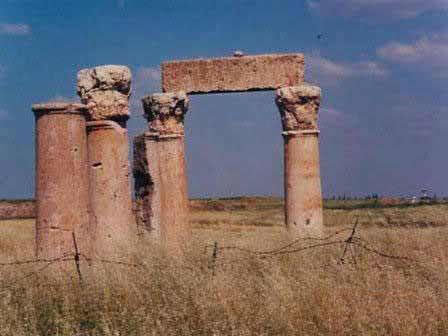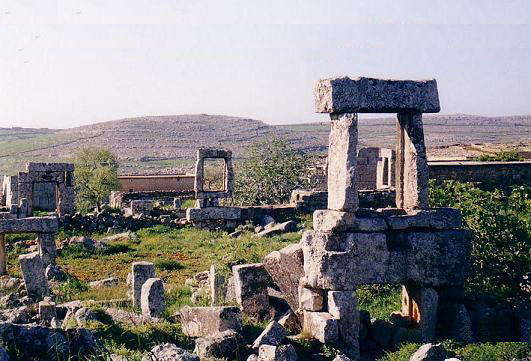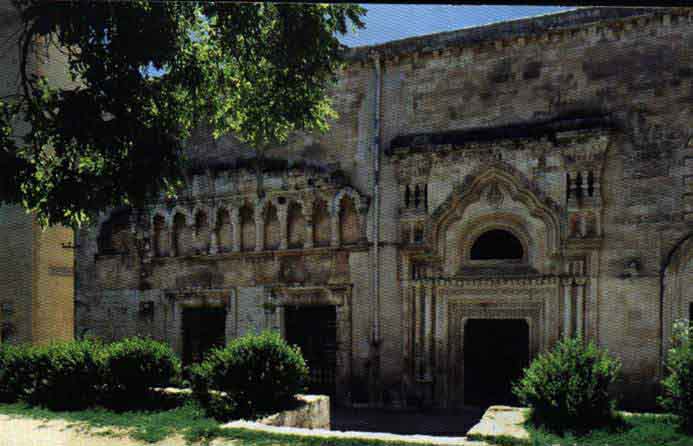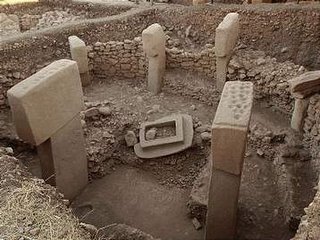
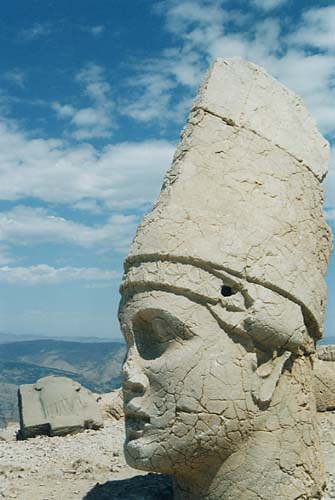
T-shaped columns which has recently been founded (2003) in Girê Navokê (Gobekli Tepe) in Ruha is consedering belongs to the eldest temple in the world, Age over 11000 years
Click here to more!
Collected by
KURDISH DIGITAL REGISTER LIBRARY
For Preserving and Promoting
Kurdish Culture
"Kürdistan, Doğu'nun en eski gelenek ve hikayelerinin anıldığı ve birçok mitolojik olayın geçtiği yerdir."
C. François Volney (1757-1820)
"I just finished to select hundreds of images which will be insert into a collage. I’m astonished! Your archive is a gift for humanity. ____ |

Click here to see:
A Kurdish
Lion of Elamits in Protoliterate period of Mesopotamia, 3000 AD
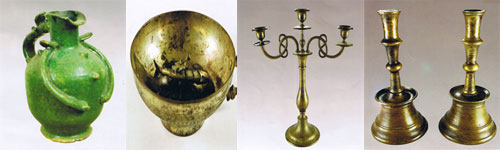
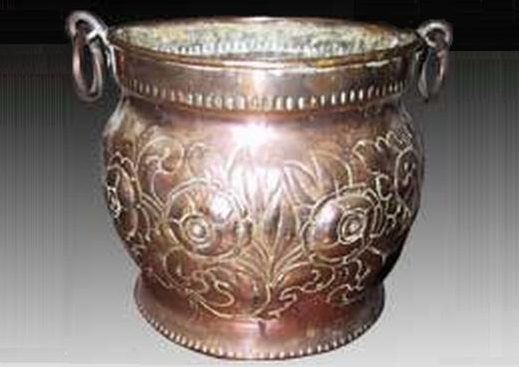
Click here to see! Some Kurdish Antique Objects
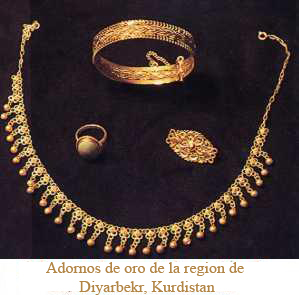
Click here to see several other Kurdish antique objects!
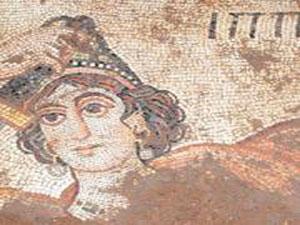
The mosaic floor which is from the Roman era found in the city of Ur-Ha (Ru-Ha/Urfa)
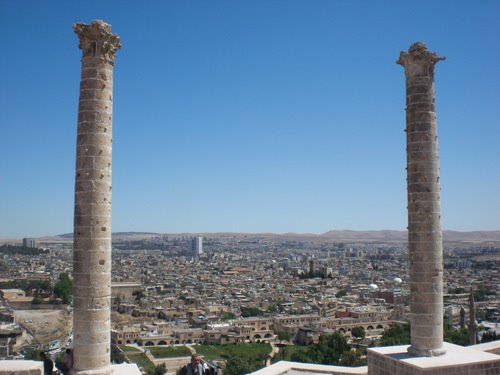
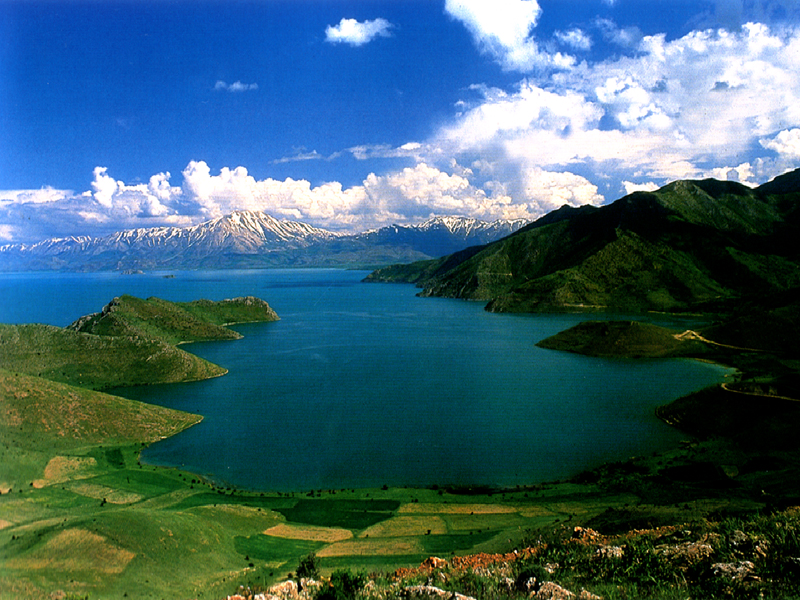
According to
the Old Testament the Kurdish Wan Lake is
The lake in
the Garden of Eden. Klick
here to see more!
|
||||
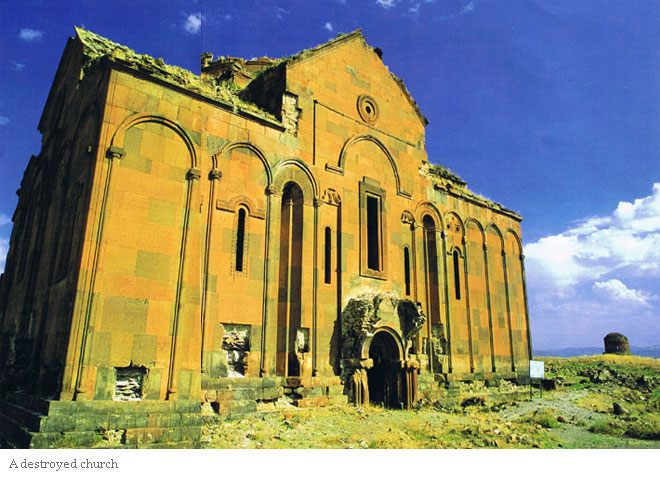
The beautiful Armenian Church, in Eastern Kurdistan from 10th century on the Kurdish Lake Urumia |
||||
|
||||
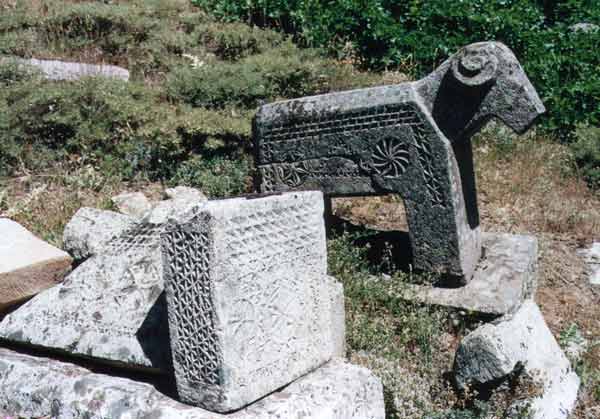
Lions
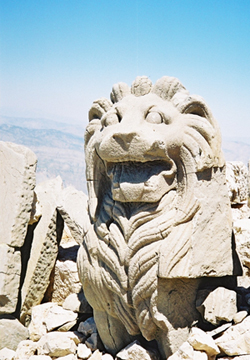
- a central theme in the Kurdish mytological history - the lion in
the picture is from historical ruins in the Botan province in northern
Kurdistan |
||||
|
||||
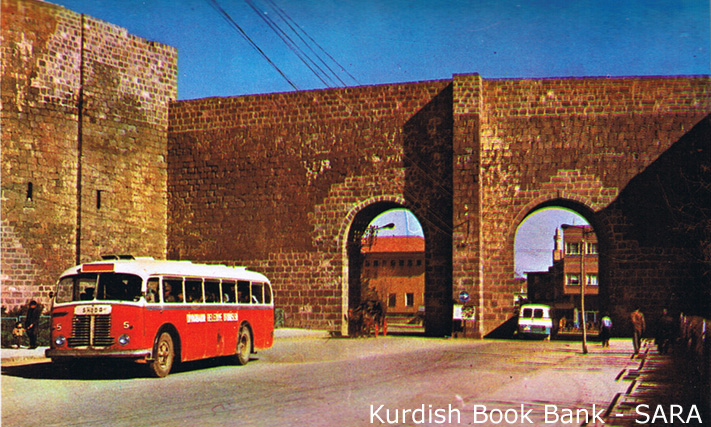
Amîda (Diyar Bekr) in 1960:ies |
||||
|
||||
|
||||
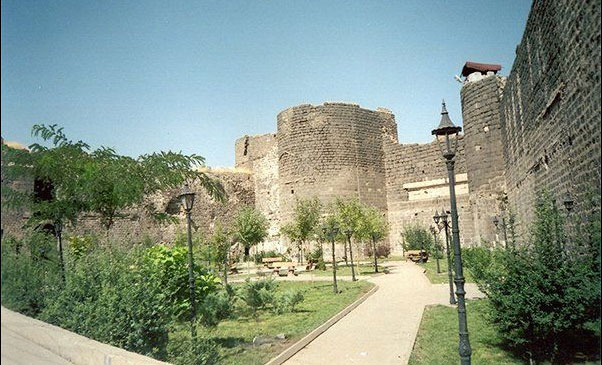
On the ancient wall of Diyar Bekr, 5000m lång, 17m high and 4m wide |
||||
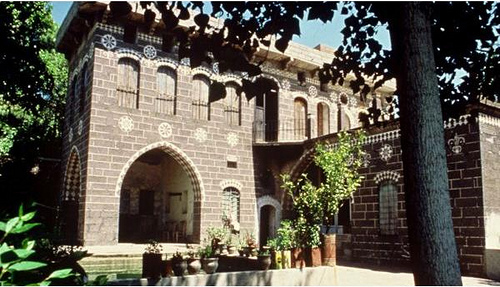
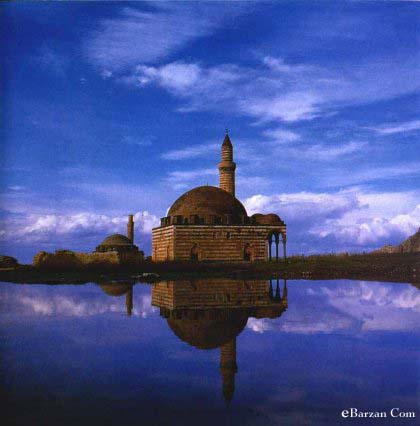
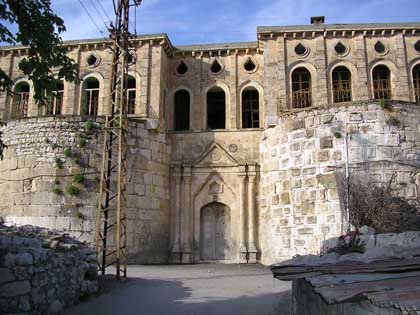
The Ancient Hasan Pasha Hostel in Amida (Diyarbekr) where the ancient traveling caravans onthe silk road rested - today a five stars hotel |
||||
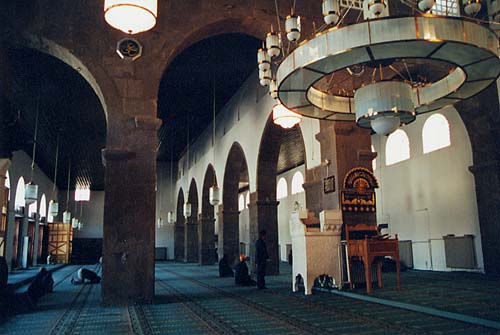
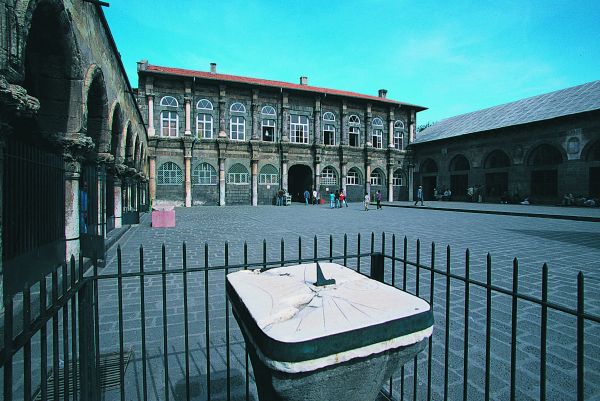
Inside of the historical Sun Temple, today Big Mosque in Diyarbekir |
||||
|
||||
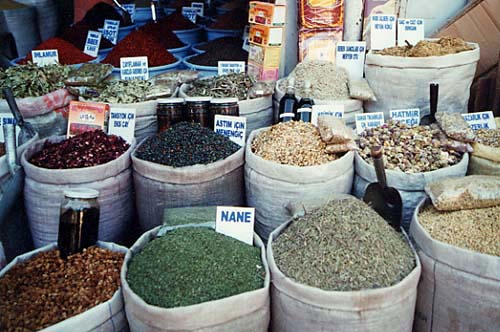
Spice market in Kurdish city Amîda (Diyar Bakr) ©-ROXANE PHOTOS |
||||
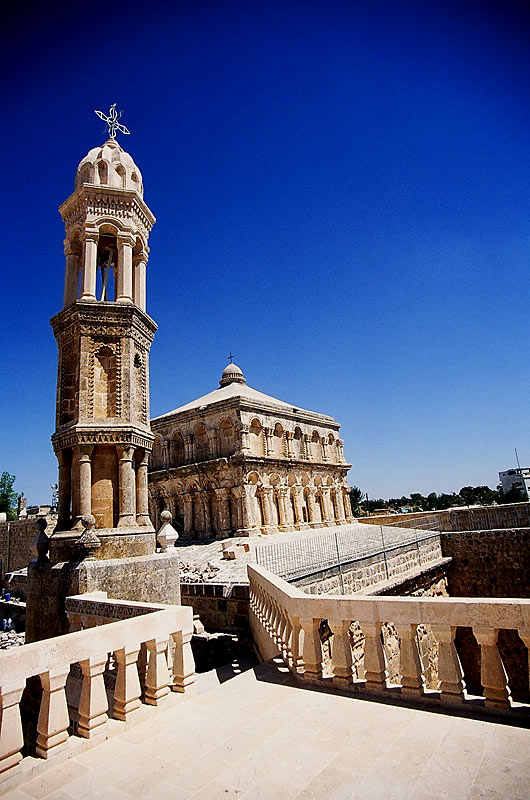
The Church Deyr-o Yoldath Aloho (Santa Maria) the 3th Century in Hah villiage in the ancient Kurdish city Midyad |
||||
"Jurn" a giant mortar which is used for crushing wheat to prepare "Savar", in the ancient Kurdish City Rûha ©-ROXANE PHOTOS |
||||
The Prophet Abraham's lake in the Kurdish city Rûha. The fishs in this lake are protected by law ©-ROXANE PHOTOS |
||||
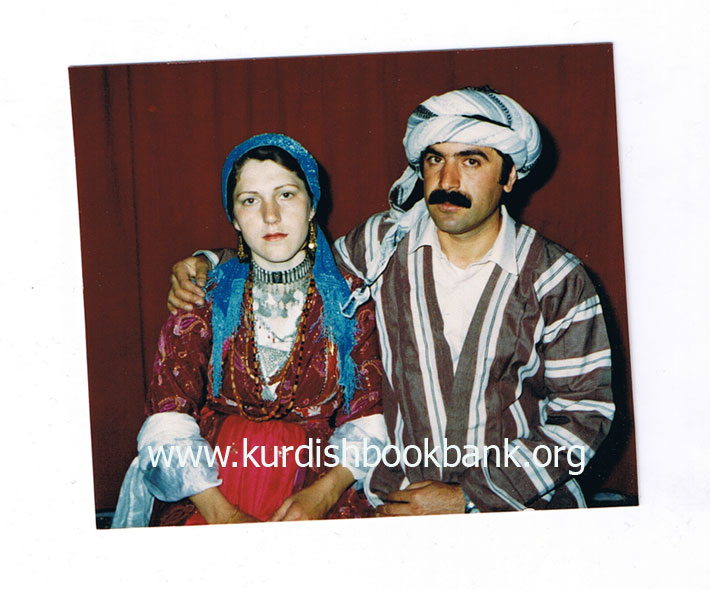
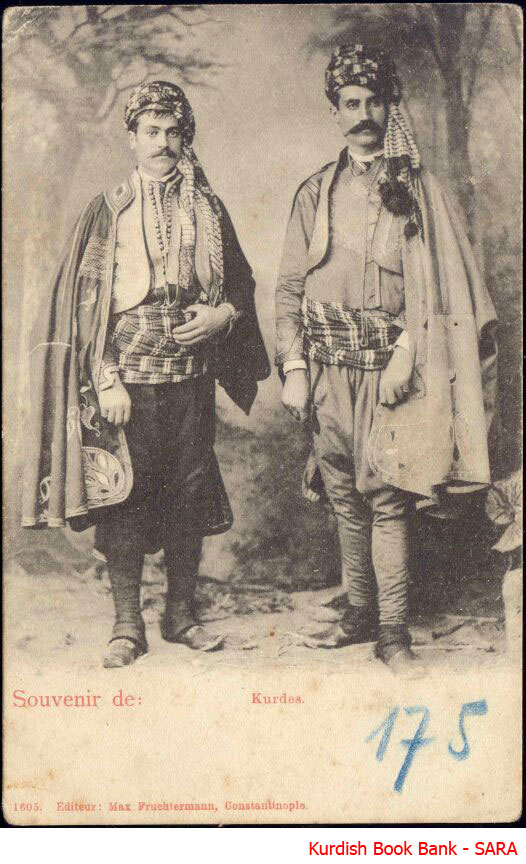
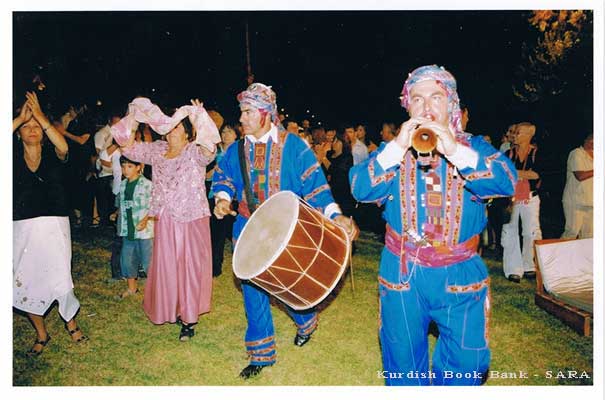
The Kurdish folkloric costumes from the Cûlemerg (Hekkari) Province. ©- Kurdish Book Bank - SARA |
||||
Sores Zîrek |
||||
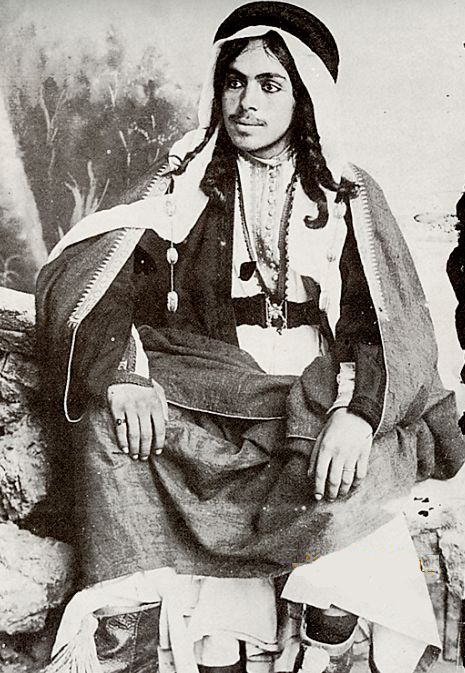
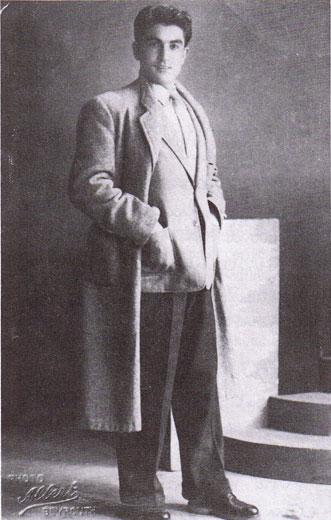
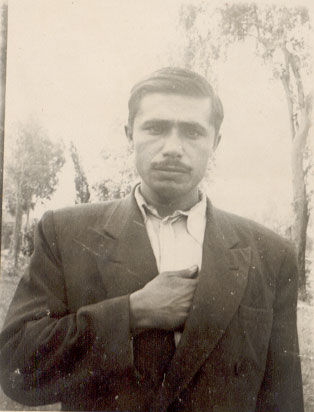
Young Kurdish Gentleman, 1935, Sinjar (Southern Kurdistan) |
||||
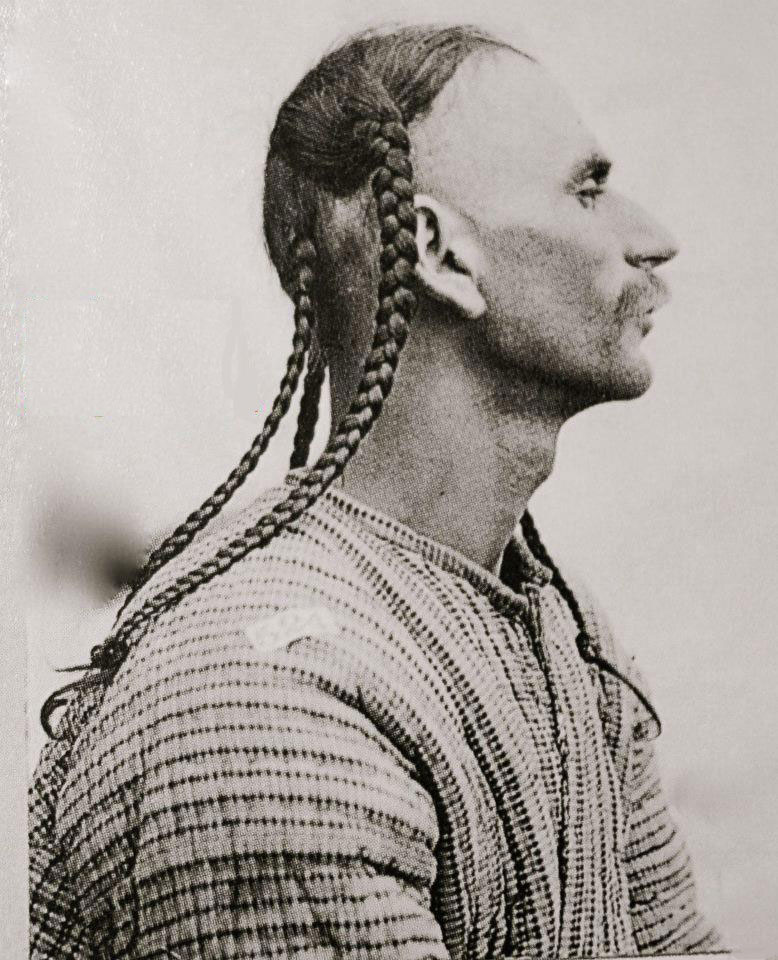
An Ezdian Kurd (ca1920) |
||||
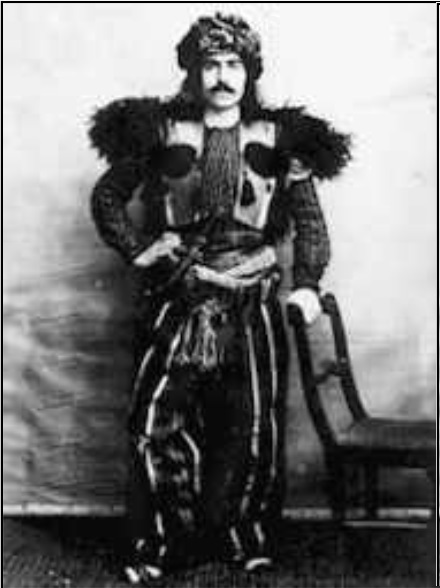
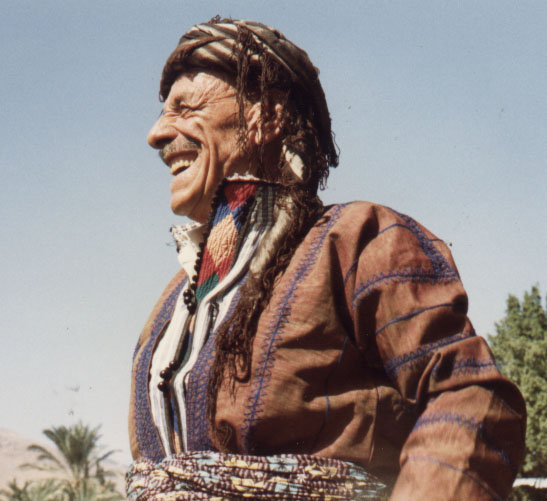
A Kurdish man |
||||
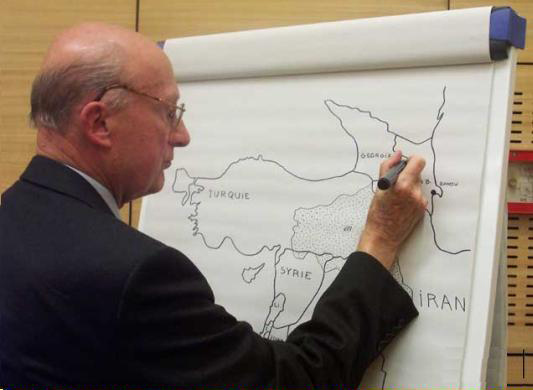
The French diplomat Bernard Dorin. In 1919 divided France and England Kurdistan between many states. |
||||
A Modern Church in Southern Kurdistan (Northern Iraq). Building of the modern churchs in whole Turkey is not usual |
||||
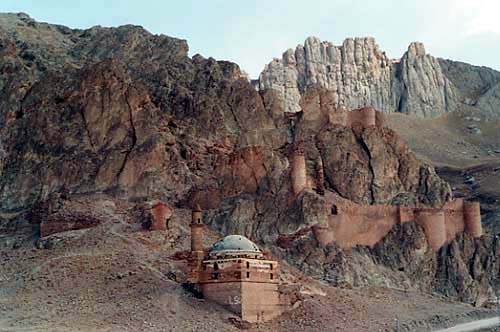
A church wich has been converted to a mosque by the muslim Turkish conqurors: Ishaq Pasha |
||||
|
||||
|
||||
Duhok, Southern Kurdistan (Northern Iraq) |
||||
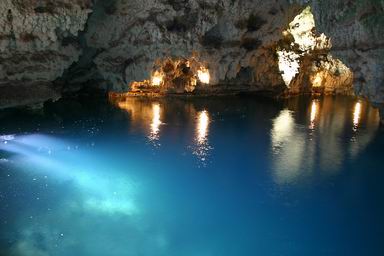
Kurdistan is the paradise on the earth. Here is a lake underground - Eastern Kurdistan |
||||
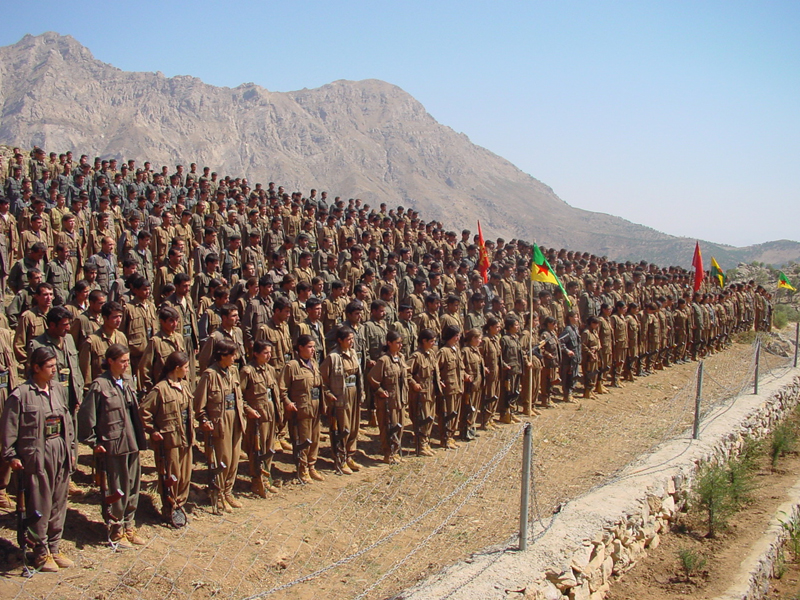
Guerillas in the nature in Eastern Kurdistan |
||||
|
||||
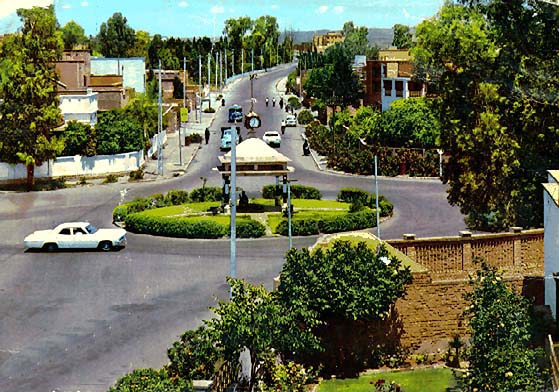
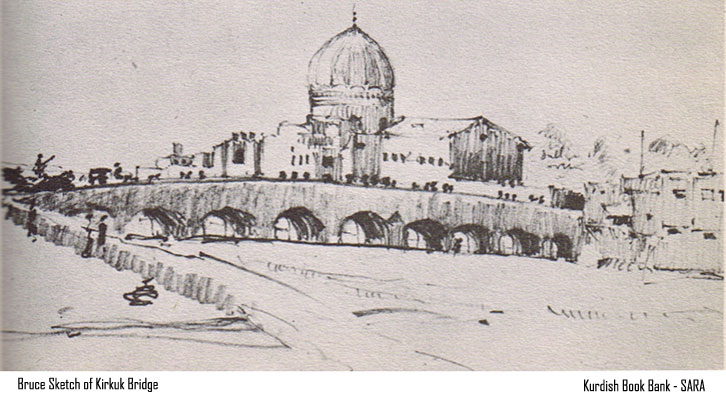
Kirkuk,
The heart of the Kurds in the Southern Kurdistan |
||||
|
||||
|
||||
Ghazi Muhammed, the president of the Kurdish Republic Mahabad in 1947, Eastern Kurdistan |
||||
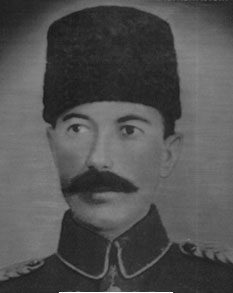
Khalid Begê Cibrî - The leader of the Kurdish Rezistance Movement Azadî (Freedom) (Azadi - Kürdistan Istiklal Cemiyeti) ) in 1920:ies. Hanged by Turkish forces in 14th April 1925 in the Kurdish city Bitlis |
||||
|
||||
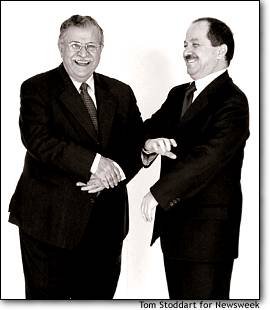
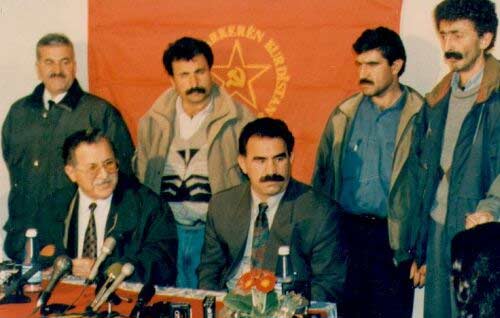
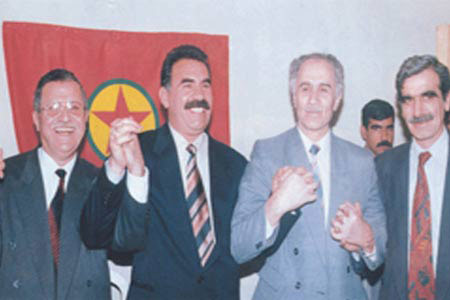
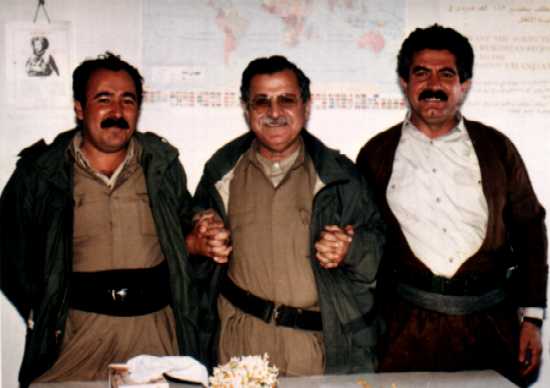
Common press conference, PKK & PUK |
||||
|
||||
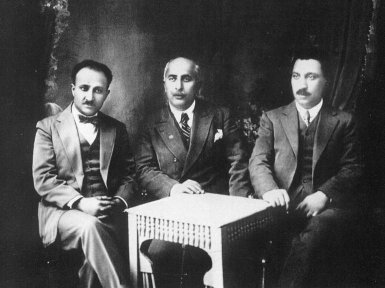
A Kurdish meeting in USA at the earlier 1920ies |
||||
Mazlum Dogan, a Kurdish intellectual student leader died in the military prison of Diyarbakir (click on the picture to read his historical defence speach in the Turkish military court) |
||||
|
||||
Kurdish historian and linguist: Taufîq Wahby |
||||
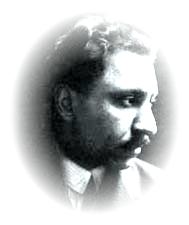
Mihemmed-î
Mîhrî, (1889 Ciwanro - ?), Istanbul (1957) Foto:
S.UCAR |
||||
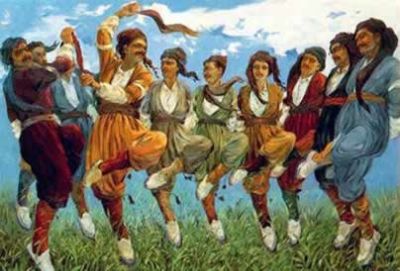
Dancing Kurdish women from Caucassus |
||||
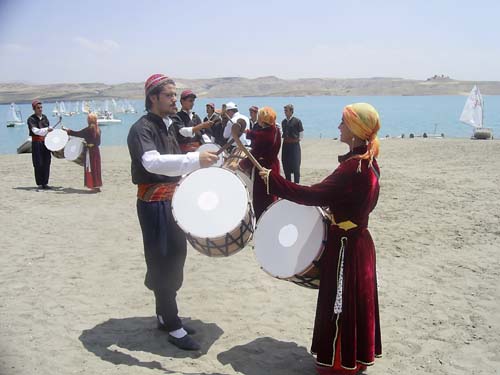
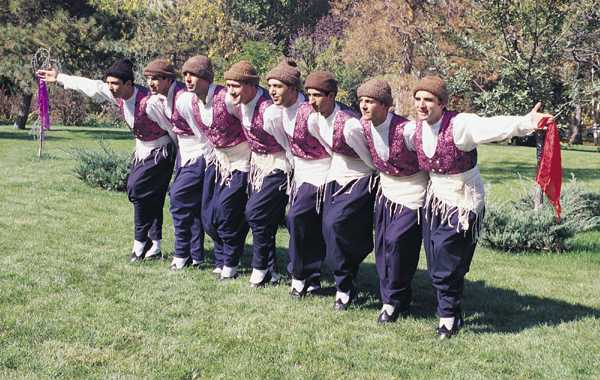
Kurdish Folklor Show from Khorasan (Iran) |
||||
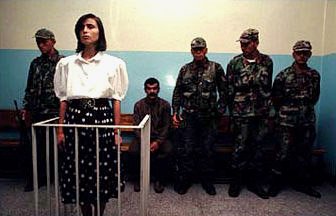
Aware Kurdish woman in Turkish trial |
||||
Kurdish
women From The Earlier Centuries - click
to see other women photos |
||||
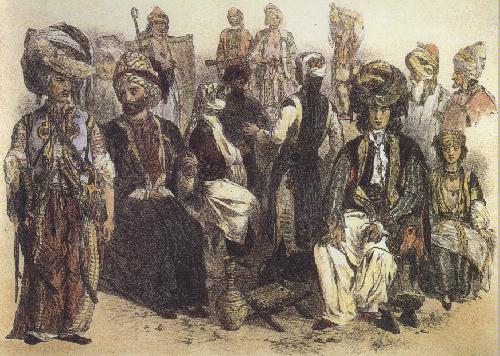
An illustration from the earlier centuries showing Kurdish folk costumes |
||||
Kurdish king (Mîr) with his queen (Banû) |
||||
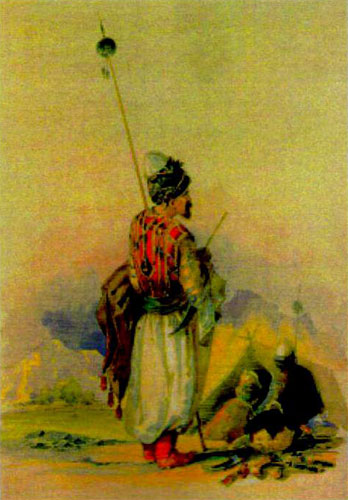
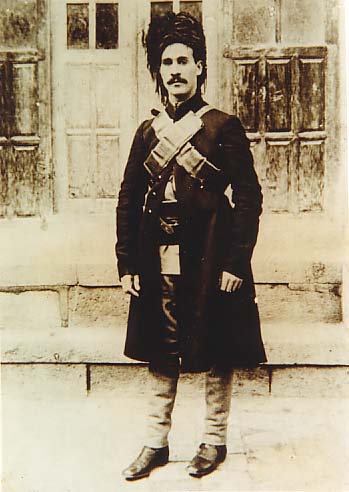
Kurdish Fighter, 1881 |
||||
|
||||
Amadeo Preziosi 1816-1882, Kurdish Warriors |
||||
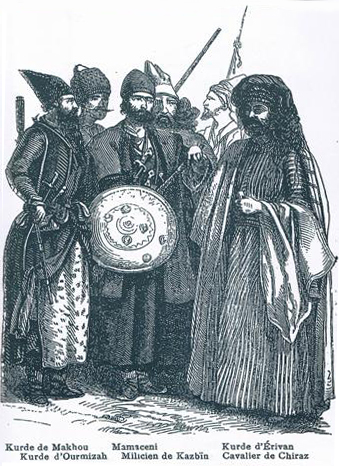
Kurds of Mako, Mamasanî Kurds, Kurd of Yerevan |
||||
|
||||
|
||||
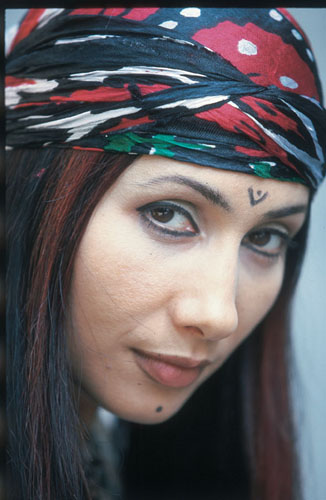
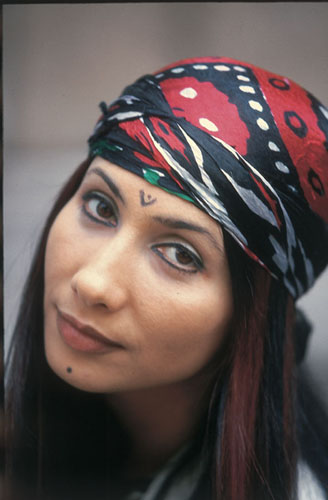
A
Kurdish girl with traditional tatoo and haed-shal from Dêrik province,
Northern Kurdistan (The Kurdish artist Rojîn) |
||||
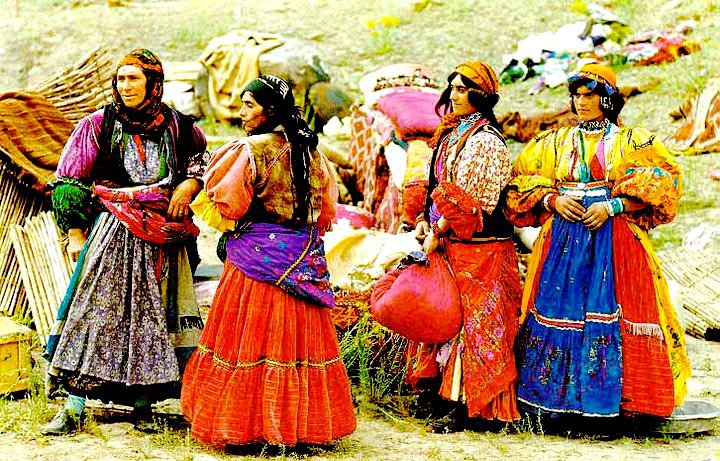
Kurdish nomad teen-girls in traditional cloths |
||||
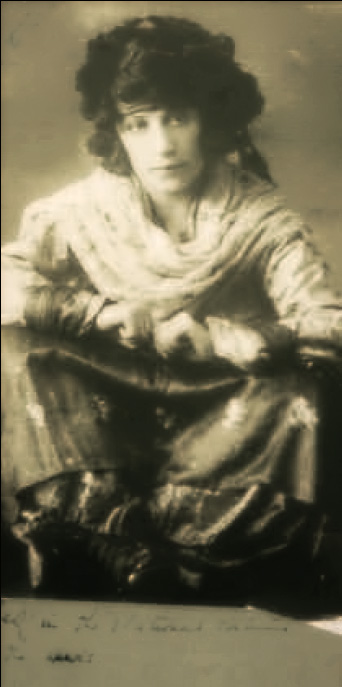
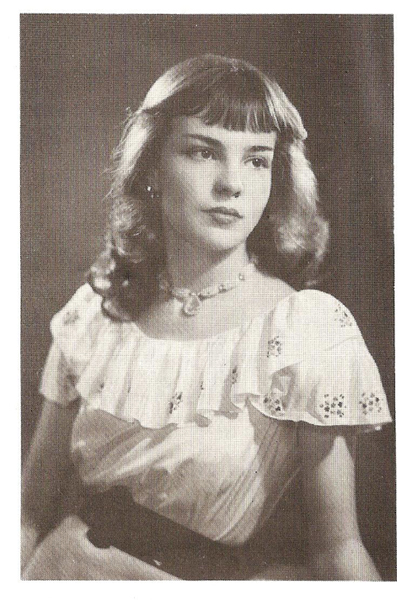
Lynette Lindfield SOANE in tradittional Kurdish cloths |
||||
|
||||
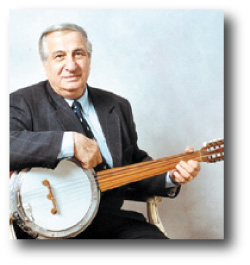
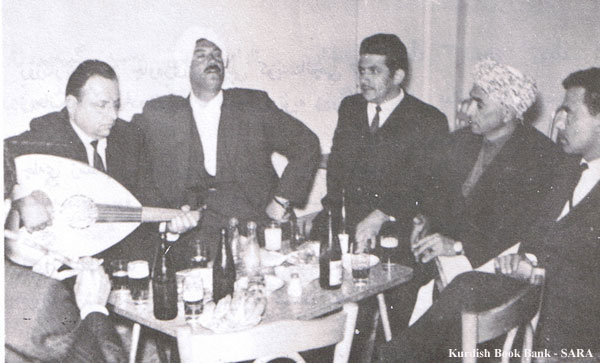
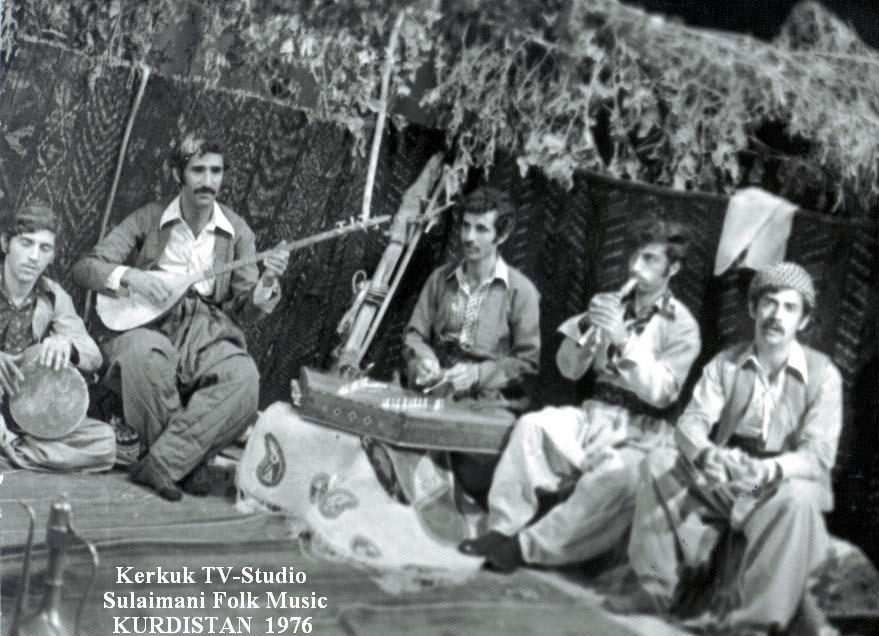 Kurdish Music Group in 1970-ies, Southern Kurdistan |
||||
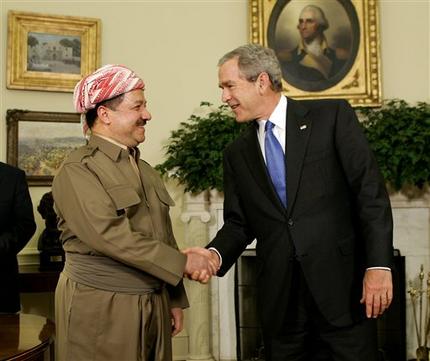
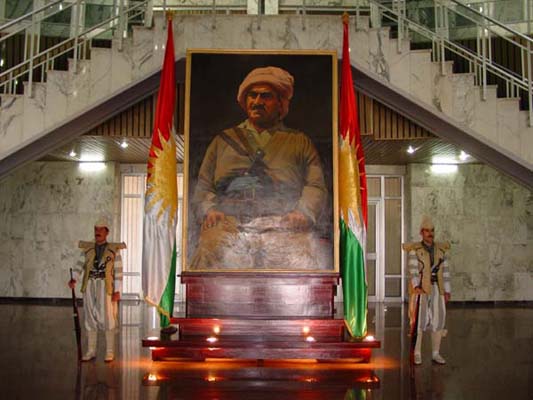
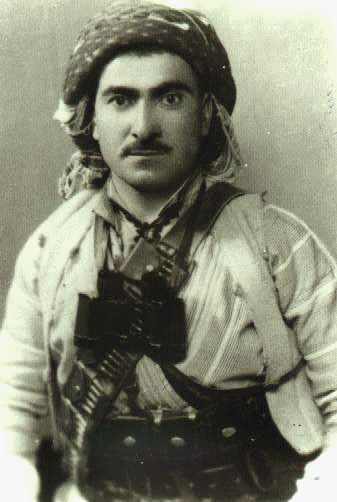
Kurdish leader Masud Barzani in the younger age, as a peshmerga (Kurdish guerilla) soldier |
||||
The
Kurdish teologist and the international sipiritual leader of muslims: Bedî-ul
Zeman Saîd-î Kurdî (Birth 1878 in Nurs - Died
13 March 1960 in Ruha) It says his body dumped by Turkish authorities in the
Mediterenian Sea because he was a Kurd. |
||||
Kurdish nomad women from Khorasan (Land of the sun) in Eastern Kurdistan |
||||
|
||||
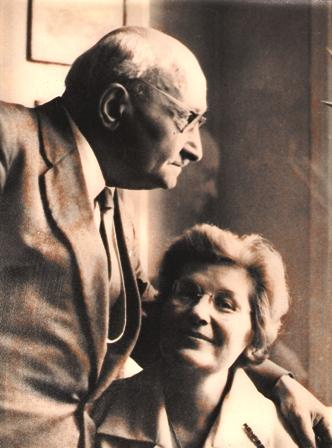
M. Remzi Bucak with his wife Zehra Khanom |
||||
|
||||
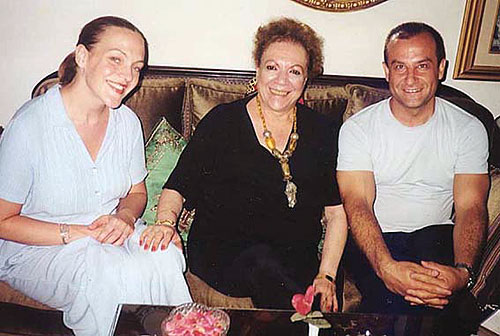
With the daughter of the Kurdish prince Emîr Jaladet Alî Bedr Khan: Oseyma Bedr Khan in exile in Cairo (in the middle). |
||||
|
||||
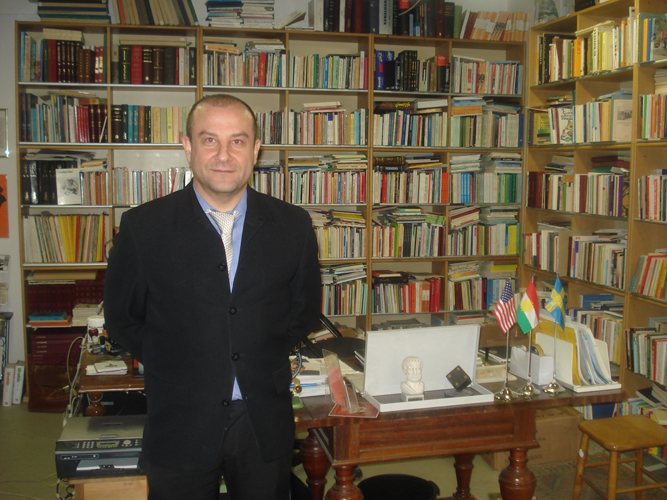
Goran
Candan with Dr
Vera Saedpoor, founder of the Kurdish Library & Museum (1986), Brooklyn, New York |
||||
Goran Candan with head of Cyprus State Library Mr Antonis Maratheftis |
||||
Cyprus State Library: Kipriaki Biblioteki |
||||
A Kurdish elementary school class in Amman with the Kurdish teacher Sherko |
||||
|
||||
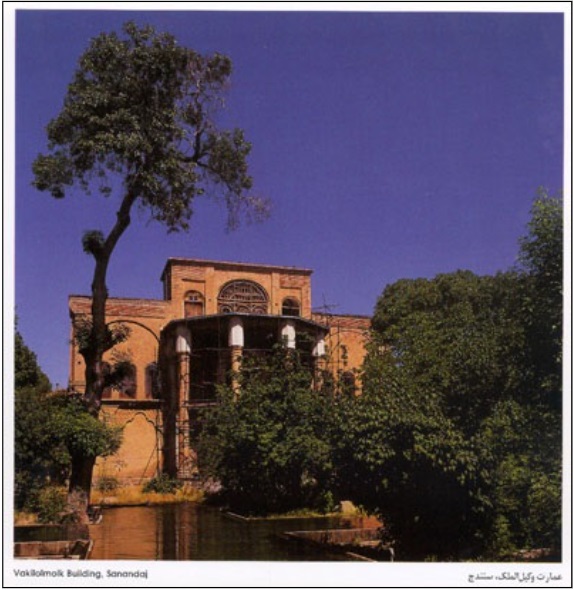
Located in the city of Kelar, it represents the beauty of Kurdish architectural art. It was built in 1866 by the order of the Kurdish prince Mohammed Pasha Jaf, who died in 1881.
|
||||
|
||||
The Kurdish rebellian, leader Seyid Riza from the begining of earlier century. Seyid Riza hanged by Turkish military in 15, November 1937 |
||||
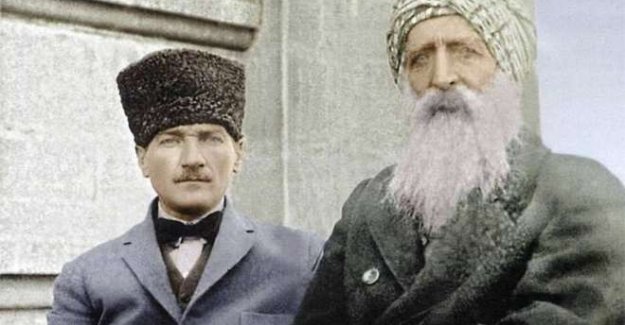
Diyap
Agha from Dêrsim Province in Kurdistan with Ataturk (Turks'
Father). Ataturk needs Kurds in that time. KÜRD ULUSAL BİLİNÇ ve HAKLARININ ÖNÜNDEKİ ENGEL NO 1 = TURKOFON/ARABOFON HAİN KÜRD LİDERLER ÖRNEĞİN DİYAP AĞA GİBİ HAİNLER: "HEP BİRİZ, KARDEŞİZ" DEMİŞTİ İşgalci İslamo-Faşist Türkiye hem Lozan'da hem Ankara'da hep aynı yalan tezi ileri sürdü; türklerle kürtlerin birliğini, bütünlüğünü savundu. O günlerde Dersim Mebusu Diyap Ağa, sözde türk meclisi'nde çokça alkışlanan konuşmasında “dinimiz, diyanetimiz, aslımız, neslimiz hep birdir; bizim içimizde ayrılık gayrılık yoktur, hep biriz, kardeşiz” yalanını dillendirdi.. sözde türk meclisi'ndeki kürd milletvekillerinden Bitlis Mebusu Yusuf Ziya Bey de şunları söyledi: “Biz kürdler vaktiyle Avrupa'nın Sevr paçavrasını ayaklarımız altında çiğnedik ve bütün manasıyla bize hak vermek isteyenlere iade ettik. Nasıl ki Elcezire cephesinde çarpıştık, nasıl ki türklerle beraber kanımızı döktük, onlardan ayrılmadık ve ayrılmak istemedik ve istemeyiz…” Alın size ihanet! Bu sözde kürd liderlerin sözlerinden daha aşağılık bir ihanet türü görülmemiştir.
|
||||
A thirsty Kurdish prisoner of war in Dêrsim, 1938. When the Turkish military uses the water as a torture tool |
||||
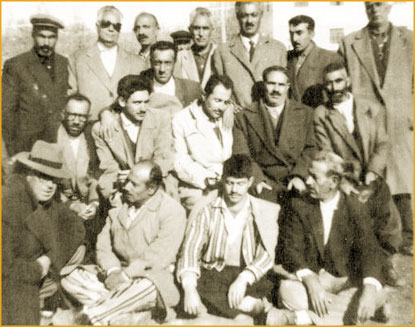
4 days after the Turkish military coup t'Etat in May 27th, 1960, many Kurdish intellectuals from entire country collected in a Turkish military consentration camp in Sêwas |
||||
|
||||
|
||||
|
||||
|
||||
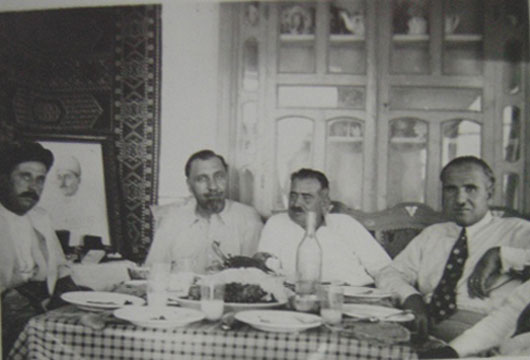
From right: Ali Khosroyî, Hac Seyid Ebdulla Efendî Geylanîzade, Dr Shîrazî, Îhsan Nûrî Pasha |
||||
The American Ambassador GorgeVallen, Amr Khan Shikak, 1947 Eastern Kurdistan (Iran) |
||||
Sheik Abdulla Gailani William Eaglaton, 1961 Eastern Kurdistan (Iran) |
||||
|
||||
From
the left: the Kurdish trubadors; Mihemed Arif Cizîrî (1912-1986),
Seîd Yûsif and Îsa Berwarî (1933 Mûsil
- 2002 Mûsil). |
||||
Kurdish singer Fûad Ehmed Southern Kurdistan |
||||
Fûad Ehmed with other Kurdish singers in 1960-ies . From the right: Tahir Tewfîq, Fûad Ehmed, Îsa Berwarî, Bakurî, Ehmed El-Xelîl, Nivîsevan Tariq Brahîm Sherîf, Yas Xizir |
||||
Fûad Ehmed with other Kurdish singers in 1960-ies . From the right: Hesen Cizîrî, Nivîsevan Hashim Cibarî, Mihemmed Arif Cizrawî û nivîsevan Evdulla Ebas |
||||
Fûad Ehmed with Kurdish singers Heyder Evdurrehman û hunermend Bakurî (Îsraîl Anderyos Xemmo) |
||||
|
||||
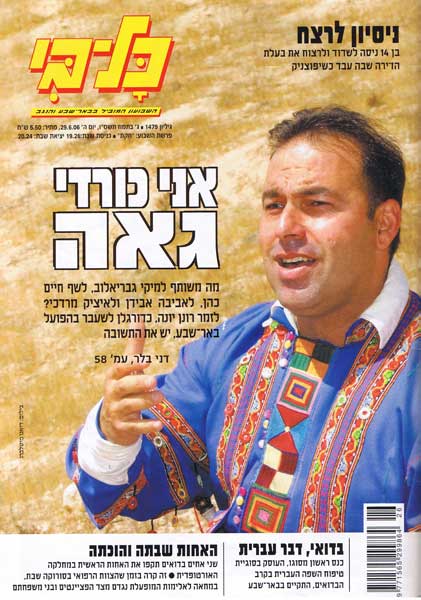
Shemûn
Levî - Kurdish Jew living in Israel |
||||
|
||||
|
||||
|
||||
|
||||
|
||||
|
||||
|
||||
|
||||
|
||||
|
||||
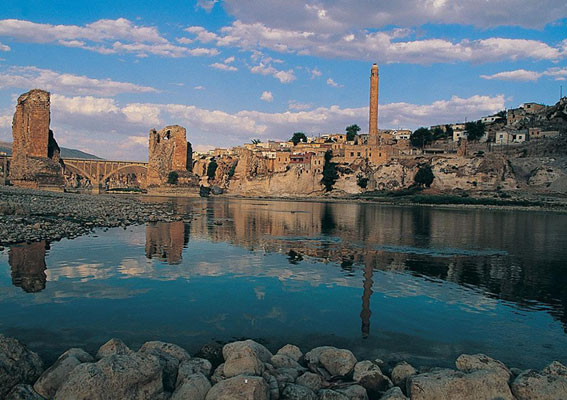
The
ancient city Husnkef on the historical river Tigris which has it's roots
from 10 thousand years will be drown by giant water dam. |
||||
|
||||
Biare - a 10 thousand years old settlement in Southern Kurdistan |
||||
|
||||
|
||||
|
||||
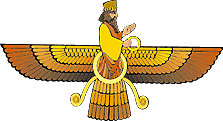
A symbol of the God Ahura Mazda (the allmighty sour masta =sour Yogurd) in Zaraoastranian Faith |
||||
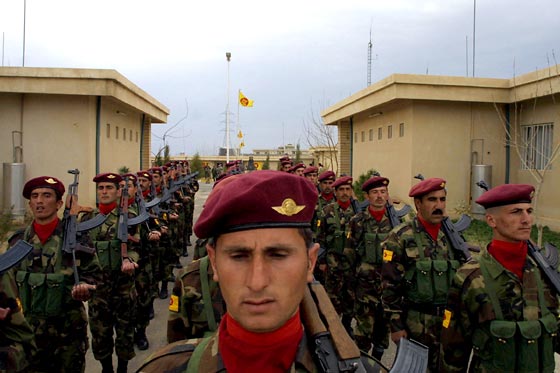
Kurdish Peshmerga soldiers, 1965 Southern Kurdistan
The Kurdish Troubadour from The 10th Century Baba Tahir-ê Uryan Ekbetanî-Hemedanî
|
||||
Mesûd Barzanî, 1992’de Saddam teröründen kaçıp sınıra dayanan kürd çocuk, yaşlı ve kadınları içeri almak istemeyen Özal’a, |
||||
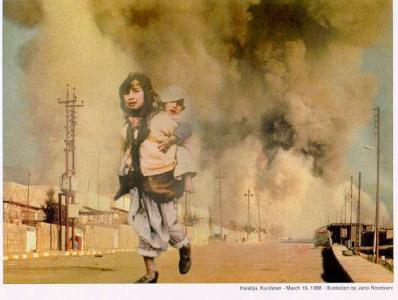
Pulitzer Prize Photo
İşgalci, katil Irak devleti’nin kürd kürd halkına uyguladığı Enfal Operasyonu 3 Yıl sürdü ve bu operasyon kapsamında daha önce eşi benzeri yaşanmamış olan Halepçe Katliamı vahşeti de kürd halkına yaşatıldı. Resmi kayıtlara göre 1986-1989 tarihleri arasında süren Enfal Operasyonu, kürdlerin topyekün bir yıkımdan geçirilmesi hedeflenen bir operasyondu. Katil Saddam uyguladığı bu vahşet ile insanların tepkisini çekmemek için Kuran’daki Enfal Suresinin ismini alarak, gerçekleştirdiği operasyona Enfal Operasyonu demiştir.
|
||||
Şêx Faxrî Bukarkî |
||||
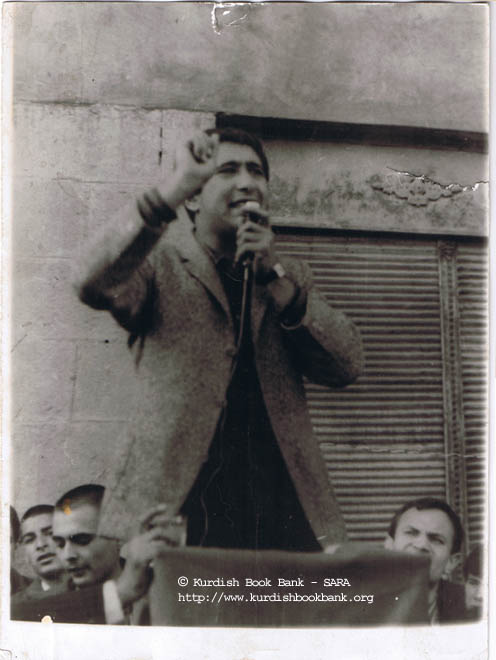
The legendary Kurdish politician Mehdî Zana - At the Agirî meeting holding a political speech - 1968 |
||||
Saîd Hussein Huznî Mukriyani, brother of Gîw |
||||
A Syriac preast visiting Kurdish
Guerilla soldiers Peshmerga at the front (1960ies). Kurds have always protected Christian Syrian and Armenian people from the Islamist Turks, Arabs. |
||||
The legendary student leader and the Kurdish intellectual: Înglîz with the Kurdish peshmergas at the begining of 1980'ies in Eastern Kurdistan |
||||
The legendary student leader and the Kurdish intellectual: Înglîz with the Kurdish peshmergas at the begining of 1980'ies in Eastern Kurdistan |
||||
A Kurdish monk in old Kurdish religious faith: Yezidism |
||||
|
||||
|
||||
Idris Barzani, the young Mesud Barzani and Saddam Huseyn |
||||
|
||||
|
||||
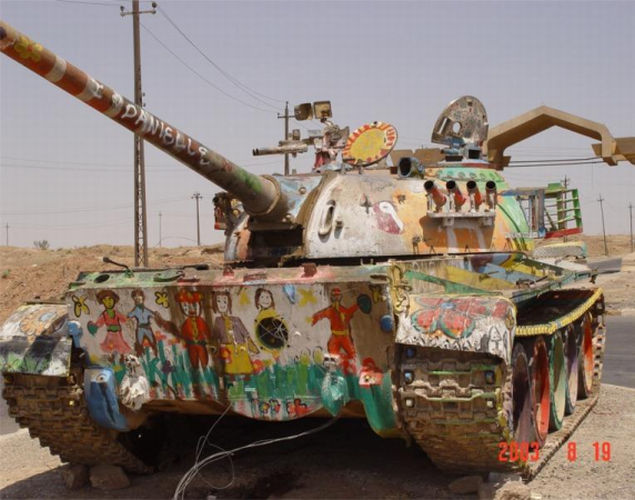
Kurdish children in the Kurdish city Kirkuk painted an Arabic combat tank in colorful piece of art |
||||
|
||||
The Swedish Crown Princess Victoria painted in Kurdish cloths by a Kurdish painter in Zakho in Southern Kurdistan 1998. At the same year the painting has been delivered to The Swedish Royal Castell
|
||||
Catifa de Mahabad, capital de la República Kurda del 1946 (Kurdistan Oriental) |
||||
|
||||
|
||||
Kurdish children and bombs, 1980:ies in Shouthern Kurdistan (Iraq) |
||||
The symbol of Hoyboon (independence) - The Kurdish Political Organization at the begining of last century. |
||||
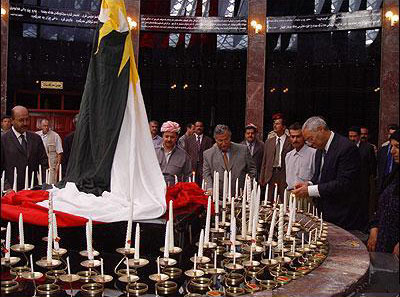
Kurdistan's
President Masoud Barzanî, Iraq's President Jalal Talabanî
and US secratary of state Colin Powell, lighting candles (15-09-2003)
for killed people in Kurdish city Halabja |
||||
|
||||
Turkish justice: Arresting Kurdish children to prisons! Turkey should be expelled from every European organisation for chaining children, a violation of the Unıversal Human Rights |
||||
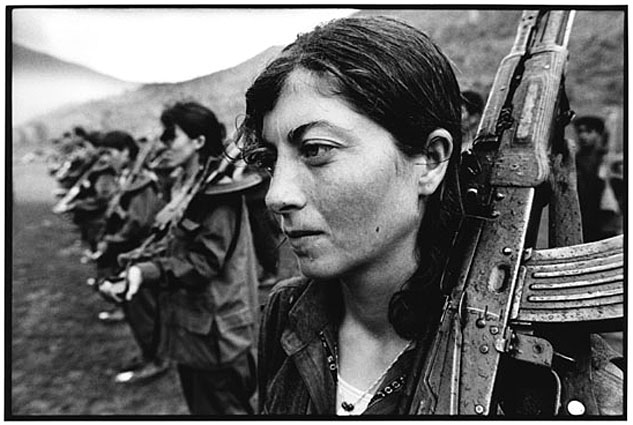
Kurdish Women Pesherga! - Brave and beautiful. They will win. Soon.. |
||||
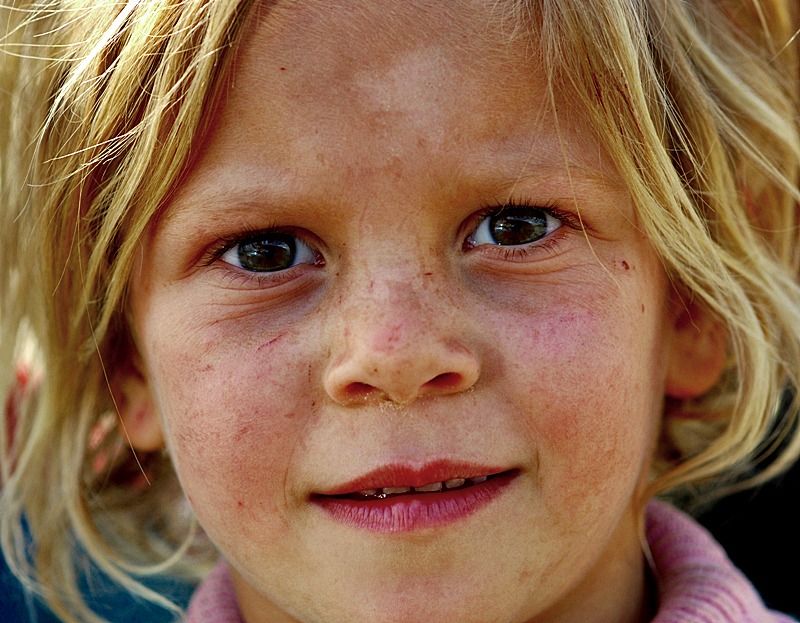
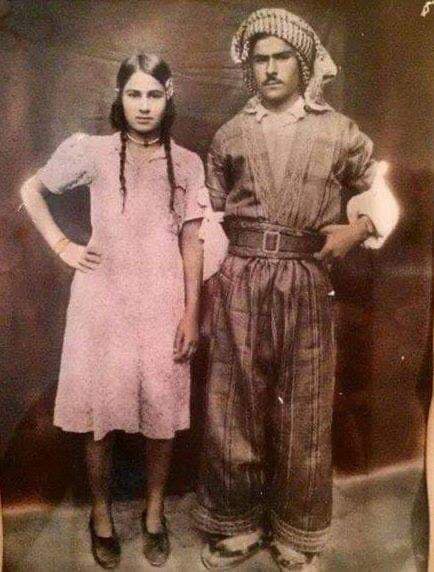
Kurdish Girl with Traditional Cloths
Nimûneyek jJi avadaniya kurdî, Palasa Qesra Îshaq Paşa, Bazîd, Bakurê Kurdistanê, salên 1800î. |
||||
Goran Candan Li Navenda Pirtûkxane & Arsîvxaneya Kurdî - SARA'yê |
Kurds From The Earlier Centruies
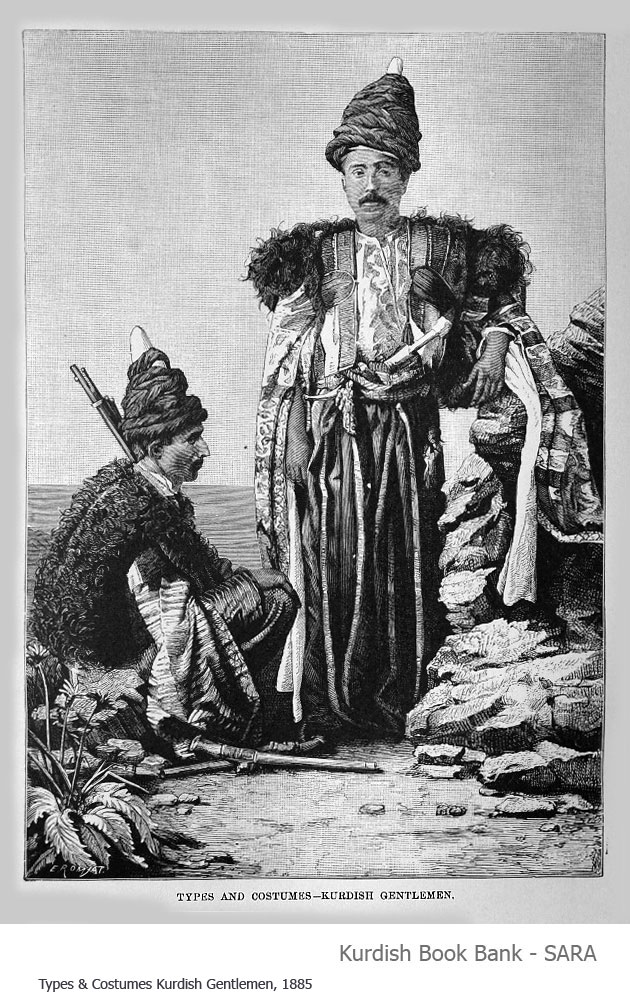
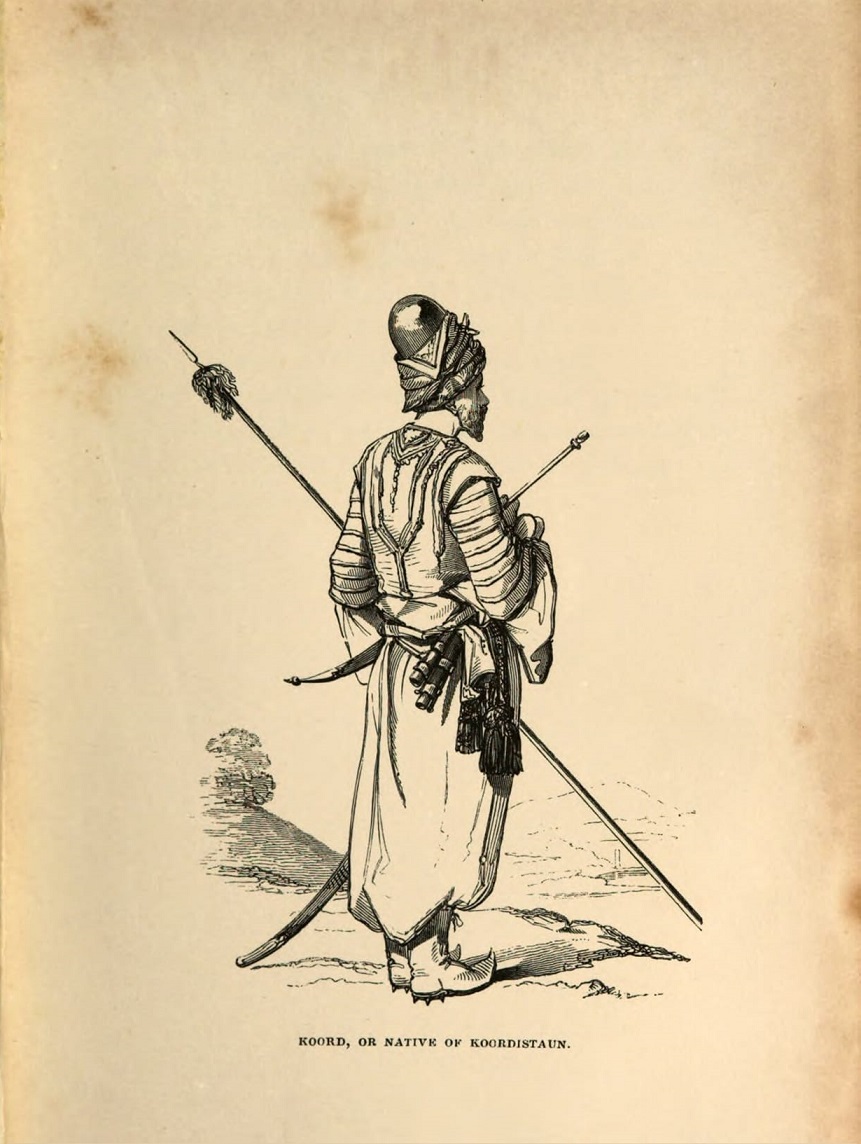
Eighteen Centuries's Kurdish Original Engravings
The
Foundation For Kurdish Library & Museum