Kurdistan Homeland of The Wine


One of six jars once filled with resinated wine from the "kitchen" of a Neolithic residence at Hajji Firuz Tepe (den delen av Kurdistan som är ockuperat av Iran). Patches of a reddish residue cover the interior of this vessel. Height 23.5 cm.
Neolithic Period “Chateau Hajji Firuz”
If winemaking is best understood as an intentional human activity rather than a seasonal happenstance, then the Neolithic period (8500-4000 B.C.) is the first time in human prehistory when the necessary preconditions for this momentous innovation came together.

Overview
of two Neolithic
houses at Hajji Firuz Tepe,
during excavation
Şarap, Kürtler ve Zagroslar
"Eski seramiklerde bulunan şarap ve bira izleri M.Ö 3100 - 2900 ve Firuz Tepe'deki bulgularla birlikte şarap ve biranın Zagros Dağları'nda erken üretimine dair kanıtlar sağlamaktadır."
Rod Phillips, Kısa Şarap Tarihi (2000)
PS: Firuz Tepe, Zagros Dağları'nın Kuzeybatı kesiminde bulunmaktadır.
Arkeologlar tarafından yapılan kazılarda Neolitik çağa ait bir köy keşfedildi. Şarabın en eski arkeolojik kalıntıları burada bulundu...
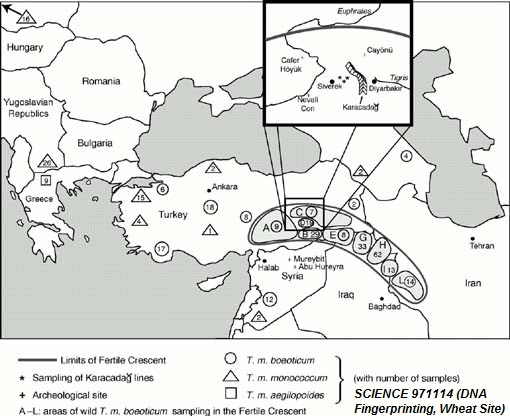
Tarihte ilk buğdayı eken kürdlerin ataları, aynı şekilde de
ilk şarabı, ilk kumaşı ve ilk RENKLİ kumaşı ürettiler..
--- Nasıl ki buğdayın anavatanı tarihi Kürdistan olduğu ispat edildiyse, aynı şekilde şarabın, kumaşın ve renkli kumaşın da anavatanı ilklerin yurdu arihi Kürdistan'dır
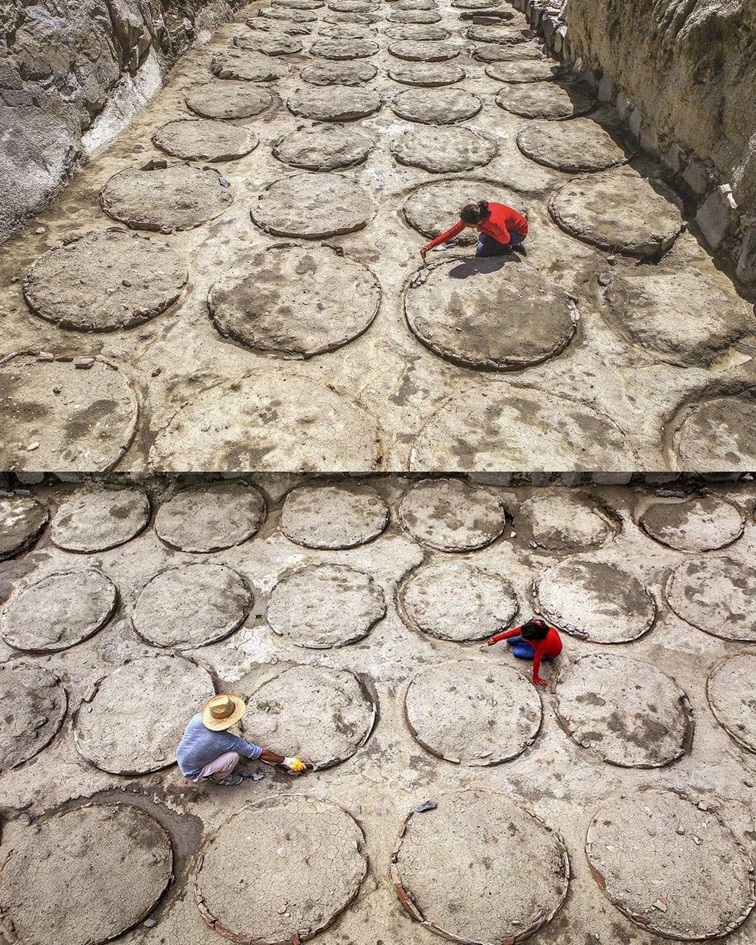
2,800-year-old Pithoi discovered in Wan Çavuştepe Castle.
Urartian King II. Grain, oil and wine were stored in 120 pithos, each with a capacity of 300 kilograms, in the castle built by Sardur.
(Wan Çavuştepe Kalesi'nde 2.800 yıllık Pithoi keşfedildi.
Urartian Kralı II. Sardur'un yaptırdığı kalede her biri 300 kilogram kapasiteli 120 küpte tahıl, yağ ve şarap depolanıyordu.)
Çilbîra (Kırk kuyular)

Çilbîra (Kırk kuyular) - Mêrdîn Kurdistan
Çilbîra Üzüm İşleme Merkezi'nde bulunan yüzlerce kuyuda şarap üretiliyordu. Şarap üretimi tarihi Kürdistan'da oldukça önemliydi.
Üzümden çok kaliteli şaraplar üretebilecek büyük bir tecrübe ve birikim vardı.
Wine, Kurds and Zagros Mountains

Firuz Tepe, Eastern Kurdistan (Zagros)
"Wine and beer traces found on ancient pottery, together with finds from 3100 to 2900 BC and at Firuz Tepe, provide evidence of early production of wine and beer in the Zagros Mountains."
Rod Phillips, A Brief History of Wine (2000)
Most importantly, Neolithic communities of the ancient Near East and Egypt were
permanent, year-round settlements made possible by domesticated plants and animals.
With a more secure food supply than nomadic groups and with a more stable base of operations, a Neolithic "cuisine" emerged. Using a variety of food processing techniques—fermentation, soaking, heating, spicing—Neolithic peoples are credited with first producing bread, beer, and an array of meat and grain entrées we continue to enjoy today.
How did we know it was wine?
Read about the chemical analysis of the jars @ Hajji Firuz Tepe.
Crafts important in food preparation, storage, and serving advanced in tandem
with the new cuisine. Of special significance is the appearance of pottery vessels
around 6000 B.C. The plasticity of clay made it an ideal material for forming
shapes such as narrow-mouthed vats and storage jars for producing and keeping
wine.
After firing the clay to high temperatures, the resultant pottery is essentially indestructible, and its porous structure helps to absorb organics.

Mary
Voigt (white hat) excavates the "kitchen"
of the Hajji Firuz Neolithic house that yielded
the six wine jars, which had been set into the
floor along one wall of the room.
A major step forward in our understanding of Neolithic winemaking came from
the analysis of a yellowish residue inside a jar excavated by Mary M. Voigt
at the site of Hajji Firuz Tepe in the northern Zagros Mountains of Iran. The
jar, with a volume of about 9 liters (2.5 gallons) was found together with five
similar jars embedded in the earthen floor along one wall of a "kitchen"
of a Neolithic mudbrick building, dated to ca. 5400-5000 B.C. The structure,
consisting of a large living room that may have doubled as a bedroom, the "kitchen,"
and two storage rooms, might have accommodated an extended family. That the
room in which the jars were found functioned as a kitchen was supported by the
finding of numerous pottery vessels, which were probably used to prepare and
cook foods, together with a fireplace.
Did you know...?
Humans and most of what they surround themselves with (clothing, habitations, and cuisine), are primarily organic in chemical composition. Organics are easily destroyed and dispersed; only the application of microchemical techniques can reconstruct what existed originally. The methods and approaches that have been developed for ancient wine can be applied to other organic materials—whether DNA, dyes, woods, resins, drugs, honey, or whatever—as long as they have been well preserved enough (best in dry, desert regions or underwater, where oxygen is not available).
The
University of Pennsylvania Museum of Archaeology and Anthropolgy
Kurdistan dayika HEMÎ Şaristaniya ye
-- Berê xwe bidiyê!

Şarap Presleri ve Duvar resimlerinin keşfi
Kurdistan'ın Duhok ilinde 2.700 yaşında şarap yapım yeri Arleologlar tarafından keşfefildi.
İtalyan ve kürd arkeologlar, Kurdiatan'nın Duhok ilinin iki bölgede bir sulama kanalında, 2.700 yıldan daha eski şarap presleri ve devasa duvar resimlerinin keşfedildiğini duyurdular.
Ortak misyon, Duhok Valiliği'ndeki Xans köyü yakınlarında "endüstriyel şarap presleri" keşfettiğini duyurdu.
İtalya'nın Udine Üniversitesi'nden arkeolog Daniele Morandi-Bonacussi, "Bunun endüstriyel bir şaraphane olduğu anlaşılıyor. Üzümleri şaraba sıkmak için kullanılan 14 tesis bulduk. Bu, türünün ilk keşfi diye açıkladı".


A 2600 year old wine fabric
Since İslam prohibited wine many historical remains related to wine destroyed.
KARTAN AV "UTVECKLAD MAT OCH DRYCK KULTUREN"
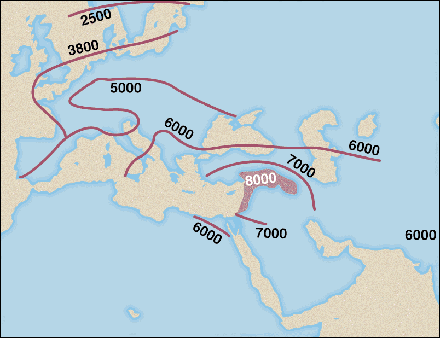
Photo: Science 14111997
Med 8000 år leder den historiska Kurdistan och Israel att vara den första geografin
för avancerade matkonsten, det vill säga ursprunget allt som vi har lärt oss att göra i köket
 .
.
Asmanın 6 milyon sene kadar bir geçmişi vardır.
Ancak 2 milyon sene önce bizim bildiğimiz üzüm ortaya çıkıyor ve ilk kültürlemenin, MÖ.5000’lerde bugün kürdlerin yaşadığı Güney Kafkasya dolaylarında olduğu tahmin ediliyor. Daha sonraları üzüm yetiştiriciliği Anadolu’ya, Mezapotamya’ya, İran’a ve oradan Mısır’a kadar yaygınlaşıyor.
Şarap kelimesinin kökeni de ilginçtir.
Avrupa dillerinde Vin, Vino, Wine ya da Latince’de Vinum, aslen Sanskritçe ‘sevgili’ anlamına gelen Vena kelimesinden türemiştir.
Vena, üzüm şarabı olmamasına rağmen, Hindistan’da yapılan Venda ayinlerinin ‘ölümsüzlük’ içkisine verilen addır.
DİN SÖZCÜĞÜ KÜRDÇE BİR KELİMEDİR
Kelimenin anlamı delidir, deli olmak. Yani kürdçe'de RELIGION 'deli olmak' anlamındadır. Bunun da sebebi dini temsilciler olarak tanınan rahiplerin ekşimiz, mayalanmış içecek kullanma (içme) ayrıcalığı ve hakkı sahibi olarak içtikleri bu içeceklerin onları mest ve sarhoş (cizbe) trans hale soktoğundan, bunu gören insanlar dini temsilcilere bu yakıştırmayı yapmışlardır.
Din kelimesi, tarihi Kürdistan topraklarında medeniyetin yeşermeye ve gelişmeye başladığı ilk evrelerde, alkollü içecekler içme ruhsatı olan rahiplerin sarhoşluğuna atfen tasvir edilen bir isimlendirmedir. Bilindiği gibi rahip sınıfının ''tanrı'nın ehli'' olma özellik ve sıfatlarından dolayı, bazı ayrıcalıkları vardı. Tıpkı sütün mayalanmasıyla kaymak, yoğurt ve peynir olmuş besinleri yeme hakkı olan tarihi yönetici elit sınıf gibi, sadece rahiplerin alkollenmiş içki kullanma hakkı ve ayrıcalığı vardı. Avam sınıfının, kölelerin bu tür yiyecekleri ve içecekleri kullanma, yeme hakkı yoktu.
Ayinlerde rahiplerin alkollü içecekler içmesiyle sarhoş olmalarıyla TRANS olmaları, kürdçe'de bu fenomen 'din bûye' yani deli olmuş şeklinde olarak açıklanmış. Hala da zikir denilen dini ayinlerde fazla duygulanan müminlerin trans oldukları durumlardaki gibi. Sonra da din transına girmiş, yani sarhoş olmuş rahiplere deli olmuş dendi. Tabii ki din avam tabakanın ve kölelerin içinde yayılınca bir toplumsal ideoloji ve inanç müessesi olarak toplumda yerini almaya başlayarak dinler doğmaya başladı.
NERDE Mİ İLK DEFA OLDU? Elbette ki medeniyetin ve böylece de bütün dinlerin beşiği tarihi Kürdistan coğrafyasında.
Hatta din kelimesinin doğuşuna sebep olan Kürdistan'ın TORÊ mıntıkasının üzüm ve şarap cenneti Turabdin'dir. Tur = aramicede dağ demektir. Ab = kürdçe su demektir = din kürdçe deli olmak demektir.
Tur-ab-Turabdin (tur-ab-din) = Deli Eden Suyun Dağı demektir. Tur-ab-din/turabdin (tur-ab-din) = [Adamı] Deli Eden Suyun Dağı demektir. Kürdler gibi otokton bir halk olan kızılderililer de alkollü içeceklere 'ateş suyu' tasviri yapmışlardı.
Kürdçe'deki din kelimesi önce farsça'ya ve sonradan da arapça'ya geçerek günümüze kadar kullanılmaktadır. Türkçe'nin zaten tarih ve kültür mevzularında adı tek bir defa geçse bile abestir, çünkü türkçe'nin ne tarihi Mezopotamya kültürü ile ve nede medeniyetle bir bağı sözkonusu olmamıştır ve hala da böyle bir bağ yoktur.
***
Fermente edilen meyvelerden elde edilen içecekler ilk çaglarda da suya tercih edilen içkiler konumundaydı. Zira su kaynaklarina göre çok büyük oranda temizdi ve besleyici özellikler tasimaktaydılar. Bunlardan en ünlüsü ve ilk üretileni üzüm şarabıidır.
Bazı tarihçiler şarap hakkında yaptıkları çözümlemelerde belki çok ileri giderek Batı uygarığının gelişiminde şarabın çok önemli bir rolü olduğunu öne sürmektedir. Bu teoriye göre Batı toplumlarında şarap tüketiminin artmasıyla insanlar daha uzun süre yaşamaya başlayıp üretimde daha uzun süreler rol aldı. Bu da üretim sürecinde tecrübenin artmasına yol açarak teknolojik gelişimin daha hızlı bir şekilde gerçeklesmesini sagladi.
Günümüzde şarap endüstrisinin başını Fransa, İtalya gibi ülkeler çekmekte. Ve şarap daha çok batılı ülkelerde tüketilen bir içki konumunda.
Ancak şarabın bundan 7 bin sene kadar önce Neolitik dönemde Kürdistan’da üretildigini biliyor muydunuz?
Neolitik dönem çokça anlatıldığı üzere medeniyete kaynaklık eden insanlık tarihinin en büyük atlımıdır. İnsanların çok çesitli nedenlerle bir araya gelerek topluluklar halinde yaşamasına ve üretimde bulunmasına sahne olan bu dönem M.Ö. 8500-4000 yılları arasına tekabül ediyor.
Ortadoğu’da yerleşik Neolitik komünlerde ilk kez yiyecekleri saklamak için teknikler geliştirildiğini arkeolojik araştırmalarla sabit. Araştırmalar fermantasyon, konserveleme, koruyucu baharat kullanımının M.Ö. 6 binli yıllardan itibaren son derece yaygın olduğunu gösteriyor.
Bu arastırmalardan biri de bundan yillar önce Zagroslarda bulunan Haji Firuz yerleşkesinde gerçeklestirildi. Tarihi M.Ö. 8 binli yillara dayandığı düşünülen yerleşkede yiyecek depolamada kullanıan toprak kaplar ortaya çıkarıldı. Ortaya çıkarılan mutfak gerekçelerinin arasında bulunan 6 küçük testi üzerinde inceleme yapan uzmanlar testilerin içinde üzüm şarabı izlerine rastladı.
Arkeolog Mary M. Voigt tarafindan ortaya çikarılan bu testilerden her biri 9 litre şarap alıyordu. Her biri neolitik yerleşkenin evlerinden birinin mutfağının bir duvarına dayalı halde bulunan testiler üzerinde yapılan incelemelerde bunların M.Ö. 5400 ila 5000 yılları arasına ait olduğu belirlendi.
Testiler Pennsylvania Üniversitesinde uzman bir ekip tarafindan incelendiğinde içlerinde tartarik asitten olma kalsiyum tuzlarına rastladı. Bu madde de sadece üzümde bulunuyordu. Testinin içinde bulunan resin maddesi de sarabın bilinçli bir sekilde yapıldığını ortaya koydu.
Aynı dönemlerde M.Ö. 5100 yılları civarında yine Zagros’larda bulunan Godin Tepe neolitik yerleşkesinde bulunan testilerde yapılan incelemelerde de aynı bulgulara rastlayan arkeologlar şarabın bu çok eski tarihlerde üretilebildiğinden artık hiçbir kuşkunun kalmadığını belirtiyor.


| Şeraba wan lebên lala Bi min de ez gelek tî me Bila xêra te bî cana Nizanî ez çi birçî me.. Cegerxwîn |
ORDET RELIGION PÅ KURDISKA ÄR STARKT FÖRKNIPPAT MED ALKOHOL ORDET RELIGION PÅ KURDISKA (DIN) BETYDER "DUM", 'TOKIG''
Photo: Science 14111997.
|


/ Kurdo / Vinmärke tillverkat i Mexiko.


MÅNGA FRÅN VARANDRA OBEROENDE
FORSKARE OCH VETENSKAPSMÄN
PÅPEKAR TILL EN OCH SAMMA KÄLLA:
HISTORISKA KURDISTAN - CIVILISATIONENS GROGRUND
HARRY G. NYCKLES Kurdistan, ett kuperat gräsbevuxet område i Irak, Iran och Turkiet med behagligt tempererat klimat. Där finns inte många viktiga moderna städer och heller inga märkvärdiga ruiner; bondebefolkningen där lever ett liv som knappast har förändrats något på många hundra år. Men historiskt sett är Kurdistan i en klass för sig. Det som gör området unikt är en händelse i födoämnenas och mänsklighetens historia - odlandet av växter och tämjandet av djur. Enligt allt tillgängligt arkeologiskt bevismaterial gjordes detta stora framsteg för första gången här. Det gav människan för första gången tillgång till säker och ätbar föda och detta i sin tur skapade den grundval på vilken all civilisation byggdes: byar, städer, nationer, kejsardömen, skrivkonst, litteratur, lagar, vetenskap.
|
CARL ELOF SVENNING ''Den bördiga halvmånens område har sedan gammalt varit berömt för sin textilindustri. ”Innan sidenet kom från Kina och bomullen från Indien, vävarna från detta område har haft ett ständigt behov av ull, och ull kom från de ’kurdiska’ fåren. I främre Asiens städer hade man också behov av det ’kurdiska’ fårköttet. Så spelade kurderna en viktig roll i Främre Asiens ekonomiska liv – som dess djuruppfödare. Den rollen torde de tidigt ha kommit att spela. Det var kanske de som införde hästen hos assyrierna en gång. Och hästen uppföder de i viss mån fortfarande''.
|
FERDINAND HENNERBICLER De vetenskapliga bevisen visar tydligt att förfäderna till kurderna levde i den tidigaste spårbara BÖRJAN i Nära östern i Eurasien (mellan Asien och Europa) i Den bördiga halvmånen (Fertile Crescent) under stenåldern. Ferdinand Hennerbichler (2004)
|

Turabdin vinet .. i Kurdistan
Turabdin:
betyder "berget med tokiggörande vatten"
(Här har ni vinframställningens historia)
Tur: berg
Ab/av: vatten
Din: tokig
_________
Kurdiska: tokiggörande vatten (kan jämföras med indianska ordet: eldvatten)
.. denna beskrivning av vin är den tidigaste beskrivning av fermenterade/jäst dricka, dvs vin
De tidiga människorna kunde (givetvis liksom vi moderna) lätt konstatera de tydliga tecken efter de drack den ”magiska drycken”. Man blev berusad av den alkholhaltiga drycken man drack. Därför har jästa, alkoholtillsatta drycker kallats ”vattnet som gör en tokig”, ”eldvatten” osv, hos infödingarna. ”Abdîn” – tokvatten på kurdiska.. . Härifrån drog de gamla assyriska kungarna till sin palats flera hundra mil långa vinledningar av torkad lära ända till det assyriska riket i Ninova visar arkeologiska fynden.
Läs mer här: Pastoral Revolution
VETETS HEMLAND
FIRST FLOWER PEOPLE